Late Summer Languidness
2026 · альбом
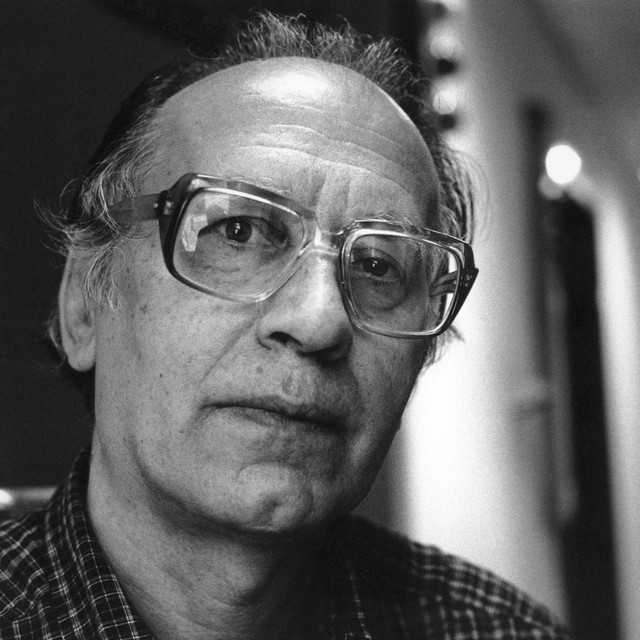

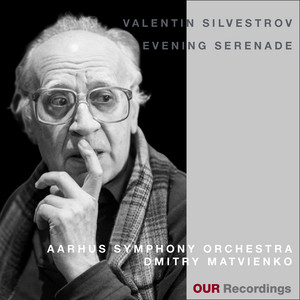



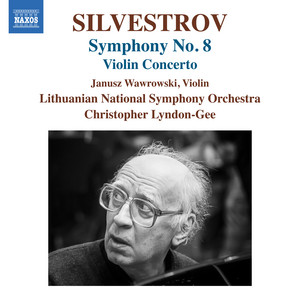


Composer Valentin Silvestrov evolved stylistically from modernist techniques to a unique postmodernist mix and to a spiritual language in his later works. He is one of Ukraine's most prominent composers. Silvestrov was born in Kyiv, then part of the Soviet Union, on September 30, 1937. His first name is variously transliterated as Valentin or Valentyn. World War II disrupted his childhood, and he was not able to begin music lessons until he was 15. From 1955 to 1958, he attended the Kyiv Evening Music School. Silvestrov then enrolled in a university program in construction engineering but felt the pull of music and switched to the Kyiv Conservatory, studying composition with <a href="spotify:artist:1zGReDAV1vEtnswG1GnG1f">Boris Lyatoshynsky</a> and counterpoint with Levko Revustky. Even during his student years, he was writing music that gained attention for its eclectic style, sometimes contrasting purely tonal passages with completely atonal ones. His Piano Sonatina appeared in 1960. In 1963, Silvestrov composed the first of his nine symphonies (as of the early 2020s). As his music developed, Silvestrov developed a unique style that has been termed postmodern; he described it as allegorical or metaphorical. Many of his compositions used styles from the past, with traditional tonal and modal harmonies, but juxtaposed and recontextualized. His Symphony No. 3 ("Eschatophony") of 1966 contrasted "cultural" sounds, which were notated in the usual way, and "mysterious" improvised aspects. Some of his works, like the 45-minute piano trio Drama (1971), were quite extended; his Symphony No. 5 (1982) consisted of nine slow movements that incorporated seemingly banal melodies into a complex, multistylistic structure. In 1974, Silvestrov found himself and his music under attack, partly because he had condemned the 1968 Soviet invasion of Czechoslovakia and partly because his music conformed to neither the precepts of so-called Socialist Realism nor to the official modernist styles that had been approved by the Soviet musical establishment. His response was to withdraw from musical activities for some years, writing music only for private performances. When he reemerged, and especially after the fall of the Soviet Union in 1991, his music took another stylistic turn, with choral works that used elements of Orthodox church music. A pianist as well as a composer, Silvestrov has recorded ten albums of his music for the <a href="spotify:search:label%3A%22ECM%22">ECM</a> label. Silvestrov has remained active into old age, issuing his Symphony No. 9 in 2019. Some of his works include Ukrainian nationalist elements, and during Russia's invasion of Ukraine in 2022, he fled the country for Berlin, Germany. ~ James Manheim, Rovi
Щоб увійти й користуватися всіма функціями, відкрий muzazaa у звичайному браузері.
Відкрий у Safari Відкрий у Chrome Відкрий у браузері